The World Conservation Congress of the International Union for Conservation of Nature (IUCN) was held in Abu Dhabi from October 9 to 15, 2025, and brought together over 10,000 participants (government decision-makers, civil society, indigenous peoples' organizations, researchers, companies), both online and on site, with the aim of defining the conservation and sustainable development agenda for the coming decades. France, which this year celebrated the 20th anniversary of its France-IUCN partnership, is a committed player in the preservation of biodiversity and the strengthening of international partnerships for the environment. During the Congress, it showcased its expertise through some thirty events organized on the French Pavilion, illustrating the diversity of French multi-actor initiatives (see related article ).
On this occasion, the BIODEV2030 team was back in full force, taking advantage of eight days together to promote the project's results and itsmainstreaming method to development and conservation stakeholders, to meet with donors and project operators, and to reflect on the implementation of future activities and the maintenance of the multi-stakeholder dialogue forums created by the project.
The Congress was also an opportunity to organize capacity-building sessions on two key themes of Phase II of the project: knowledge of financing tools for biodiversity projects, and advocacy for public policy reforms identified through national dialogue workshops.
This strategic event enabled BIODEV2030 to position itself as a structuring project in the 15 countries where it is based, by taking a closer look at how to support governments in defining their national action plans in line with the Kunming-Montreal Global Biodiversity Framework (KMGBF).
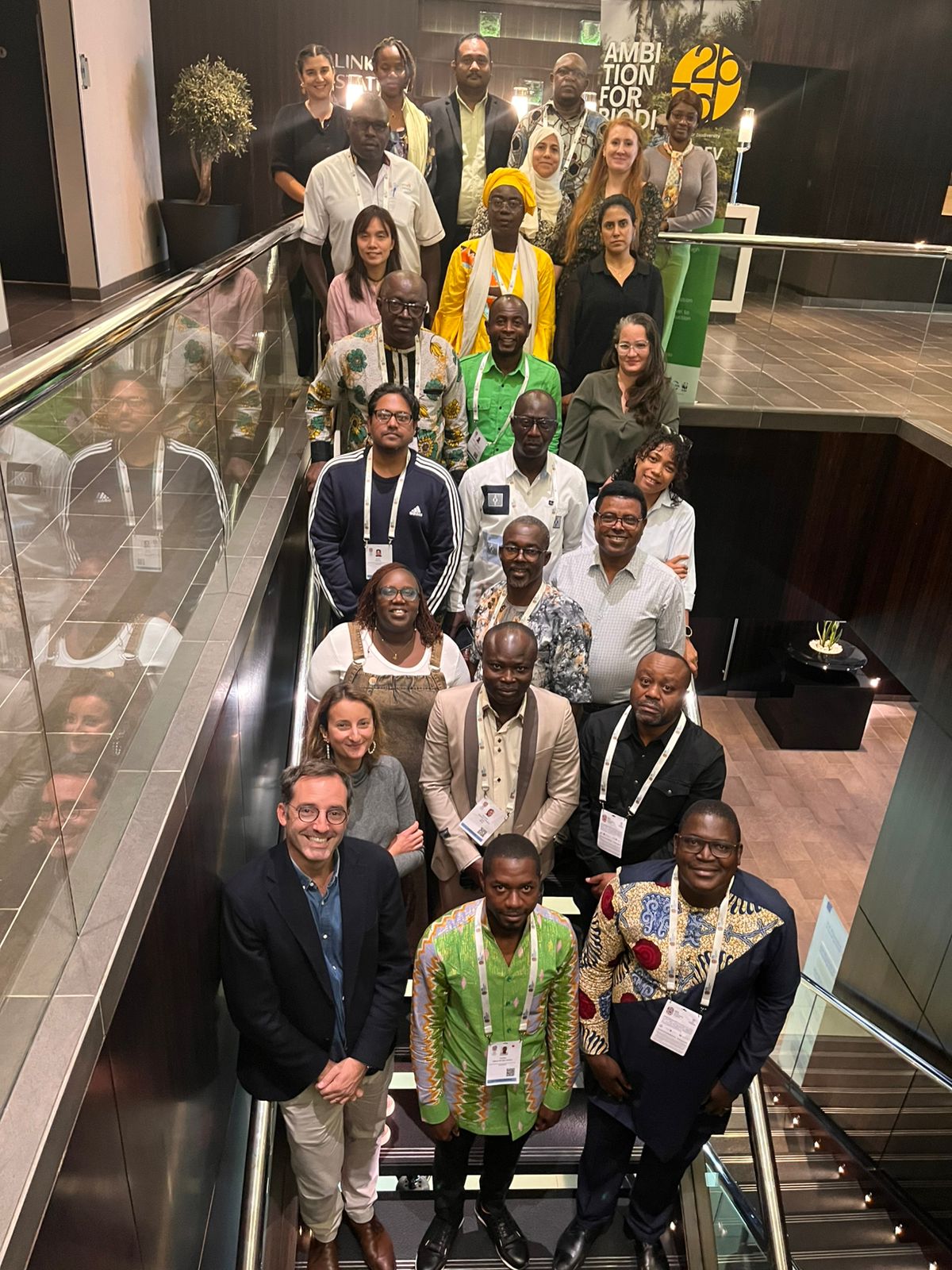
The complete BIODEV2030 team, gathered after the second day of training in Abu Dhabi, 15/10/2025
A method and results showcased at several side-events
For five days, numerous side-events took place on the Congress site, divided between the complementary areas of the Forum, housing the thematic sessions, and the Exhibition, bringing together over 140 exhibitors, including the French Pavilion. BIODEV2030, a major contributor to the French Pavilion alongside its partners (Ministry of Foreign Affairs, Ministry of Ecology, Agence Française de Développement and the French Committee of the IUCN), had a strong ambition to disseminate and teach about mainstreaming , with 4 side-events, as well as a thematic session at the Forum.
These events were attended by high-level speakers, including Fiji's Minister for the Environment and Climate Change, Hon. Mosese Bulitavu, as well as the National Focal Points of the Convention on Biological Diversity (CBD) from Madagascar, Ms. Rantonirina Rakotoaridera, and Benin, Mr. Augustin Orou Matilo.
These five events provided an opportunity to look at the BIODEV2030 project from different angles, and to appreciate its method, activities and effects to date, as well as to exchange views on five panels of players involved in the project, with :
- An interactive thematic session entitled "Reorienting sectoral public policies towards better productive practices: integrating biodiversity": looking back at the project's contribution to the translation of priority KMGBF targets in 3 countries (Benin, Fiji, Madagascar), the panel addressed the existing obstacles to making the integration of biodiversity into sectoral public policies a reality, as well as the main reforms targeted in these countries.
- An event retracing the BIODEV2030 methodology since Phase I, drawing on the expertise of the project's implementing partners, IUCN and WWF-France.
- Short "pitching" presentations of pilot projects co-constructed during territorial dialogue workshops in Cameroon, Kenya and Vietnam. The project managers in these countries briefly outlined the contexts, objectives, partners and funding arrangements for their pilot projects.
- A session on private sector commitment, with experience-sharing on success factors for achieving voluntary commitments, and testimonials from the Tunisian Ministry of Agriculture's General Directorate for Water, WWF North Africa and WWF-Congo.
- A final event highlighted the work carried out by BIODEV2030 to support the updating and implementation of National Biodiversity Strategies and Action Plans (NBSAPs), notably in Uganda for the energy sector and in Fiji for the kava and coastal fishing sectors. The ambitions of BIODEV2030 were put into perspective with those of the ECOPRONAT project, also financed by AFD, one of whose objectives is to integrate biodiversity into agricultural policies in Mozambique.
These events were well attended by AFD, represented by Marie Bjornson-Langen, Deputy Director of Sustainable Development Solutions, Odile Conchou, Nature Advisor, Matthieu Le Grix, Director of the Agriculture, Rural Development and Biodiversity (ARB) Division, and Aurélien Guingand, Project Team Manager in the ARB Division.
The voice of BIODEV2030 was also heard in the Africa Pavilion, with a joint presentation by WWF-France and WWF North Africa on the decision-support tools for the financial sector developed by the project, particularly in Tunisia.
A look back at the highlights of BIODEV2030 at the Congress.
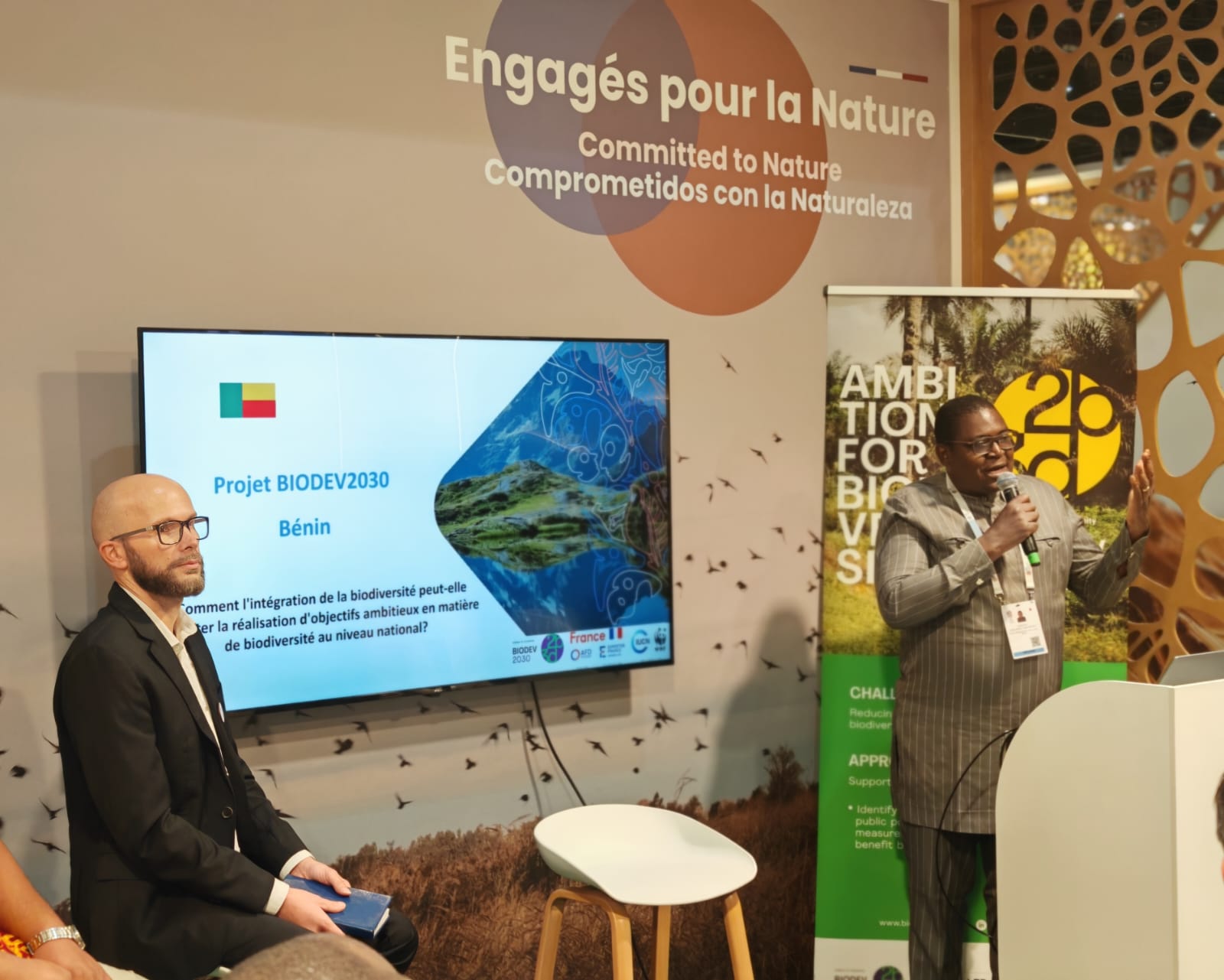
Testimony of the Benin CBD Focal Point, Mr. Augustin Orou Matilo, on a BIODEV2030 side-event.
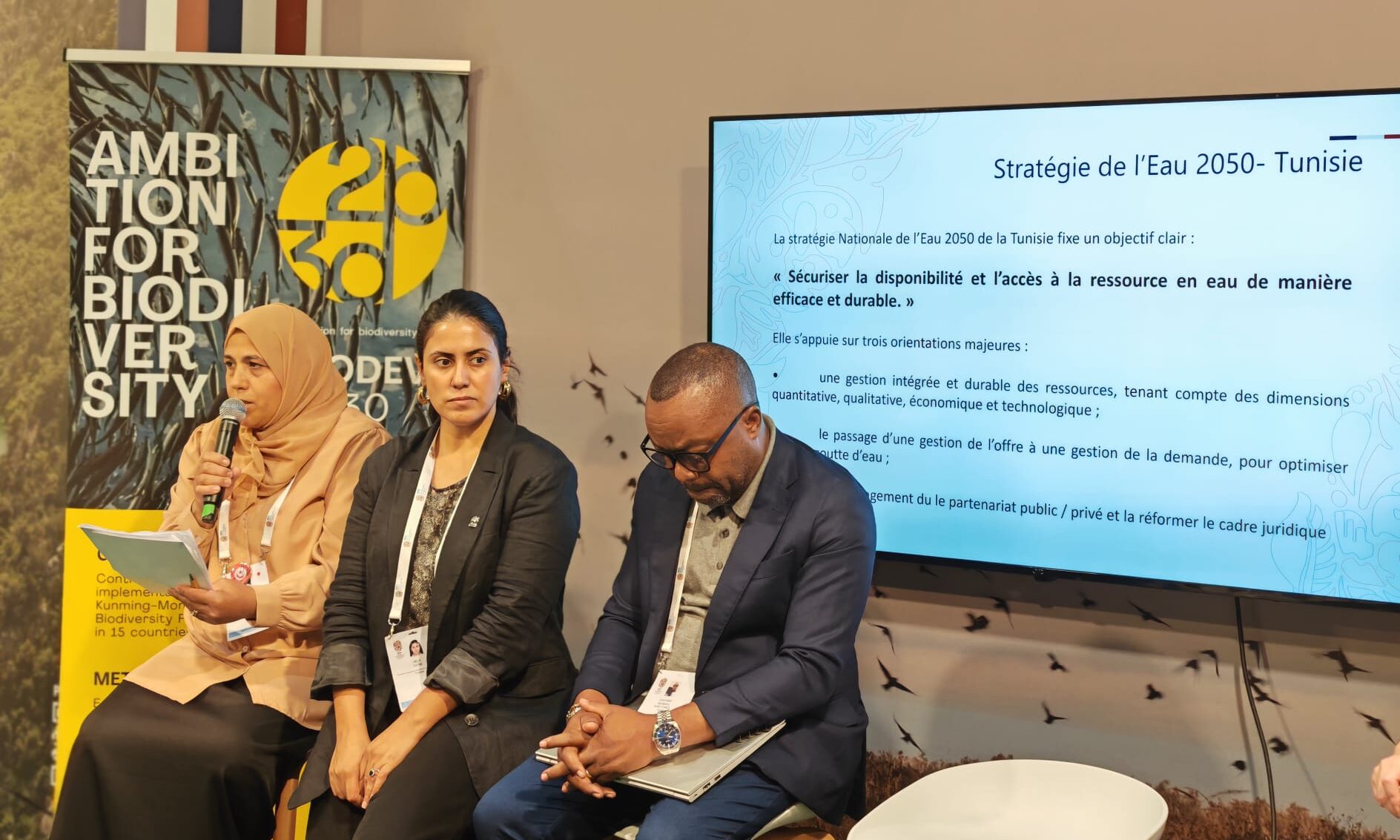
Presentation of the National Water Strategy by Hanene Friji, senior technician at the Tunisian Ministry of Agriculture's General Directorate for Water Resources, alongside Hela Fatmi, WWF North Africa, and Guichard Boungou, WWF Congo.

Pitching of pilot projects in Kenya, Viet Nam and Cameroon, with the participation of Odile Conchou (AFD), Catherine Mungai (IUCN Kenya), Hang Nguyen (WWF Viet Nam), Pierre Mbida Mfomo (Cameroon Ministry of the Environment), and Alphonse Ngniado Wouala (WWF Cameroon).
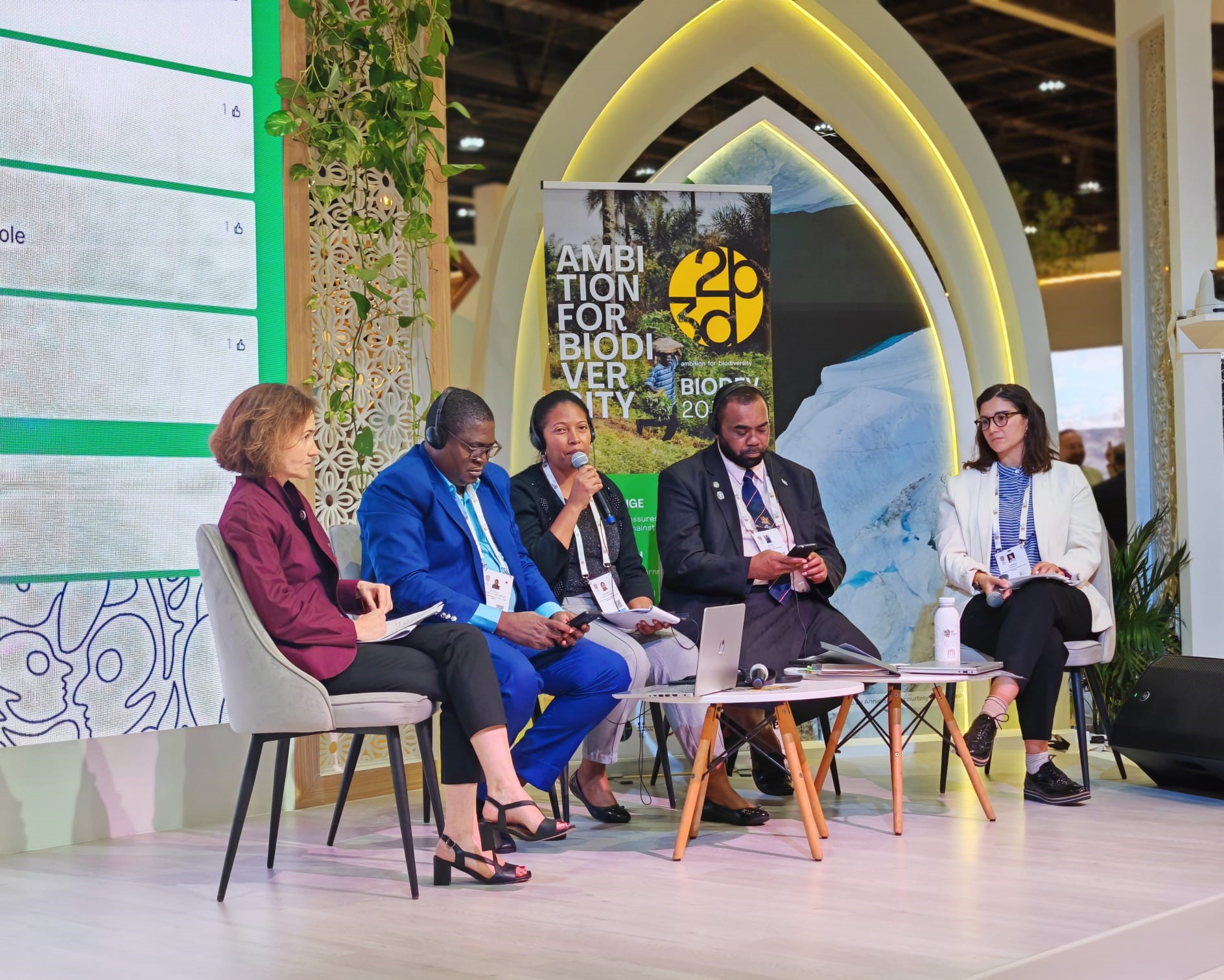
Panel discussion on the BIODEV2030 thematic session, with Marie Bjornson-Langen (AFD), Augustin Orou Matilo (Point Focab CDB Bénin), Rantonirina Rakotoaridera (Point Focal CDB Madagascar), and Hon. Mosese Bulitavu (Fiji's Minister for the Environment and Climate Change).
A Congress punctuated by " Rendez-vous with Nature" events for cross-fertilization of experience
As a multi-country project, BIODEV2030 has a strong ambition to share experience and learn from its innovative method. Benefiting from a broad geographical scope, and based on diagnoses adapted to each country, the project integrates numerous sectors of productive activity and encourages multi-stakeholder dialogue with a variety of sectoral partners. The World Conservation Congress, like COP16, brings together national delegations from many countries, providing unique opportunities to exchange views with representatives of the project countries and capitalize on their experiences.
BIODEV2030 organized several cross-fertilization meetings, using the Rendez-vous with Nature format, giving the floor to project beneficiaries: National Focal Points, ministerial representatives and stakeholders in dialogue workshops. The team met with 11 ministerial delegations from BIODEV2030 countries: Benin, Cameroon, Ethiopia, Fiji, Kenya, Madagascar, Senegal, Suriname, Tunisia, Uganda and Viet Nam. Topics discussed included the development of NBSAPs in their countries, in particular the alignment of sectoral policies and work on KMGBF targets 10, 14, 15, 18 and 19.
These meetings clarified the stakeholders' vision of the project, looking back on BIODEV2030's contribution to highlighting the main threats to biodiversity in their countries, and to the emergence of inter-ministerial dialogue platforms. Their testimonies shed light on the existing obstacles to the adoption of sectoral public policy reforms and the mobilization of funding for biodiversity. The sustainability of post-BIODEV2030 interministerial dialogue and political advocacy strategies in favor of mainstreaming in the medium term.
The cross-fertilization of information and ideas helped to refine our understanding of the dynamics at work in these countries, in conjunction with the KMGBF, and enabled the team to direct the next phase of the project's activities according to the specific contexts. The ministerial representatives reiterated their support for the BIODEV2030 approach and their desire to pursue efforts to better integrate biodiversity into their sectors, thanks to sustained political support.
Thanks to these discussions, some delegations were able to feed into their roadmaps for the next stage of the project at territorial level, cross-referencing sectoral objectives and echoing the national consultations organized within their countries. For example, certification schemes for ecosystem-friendly fishing and aquaculture activities were discussed in Viet Nam and Suriname, and the efforts made by the private sector in this area. Kenya and Uganda discussed the most effective ways of promoting green energy and alternatives to charcoal for cooking in rural households. Cameroon and Congo, where pilot projects are focusing on community forests in the Tridom border area, were able to deepen their mutual knowledge of existing activities and legal frameworks on which to concentrate.
The many lessons learned from these meetings will feed into the project's capitalization strategy and enhance knowledge of SPANB development and monitoring processes, while informing existing needs in these countries.
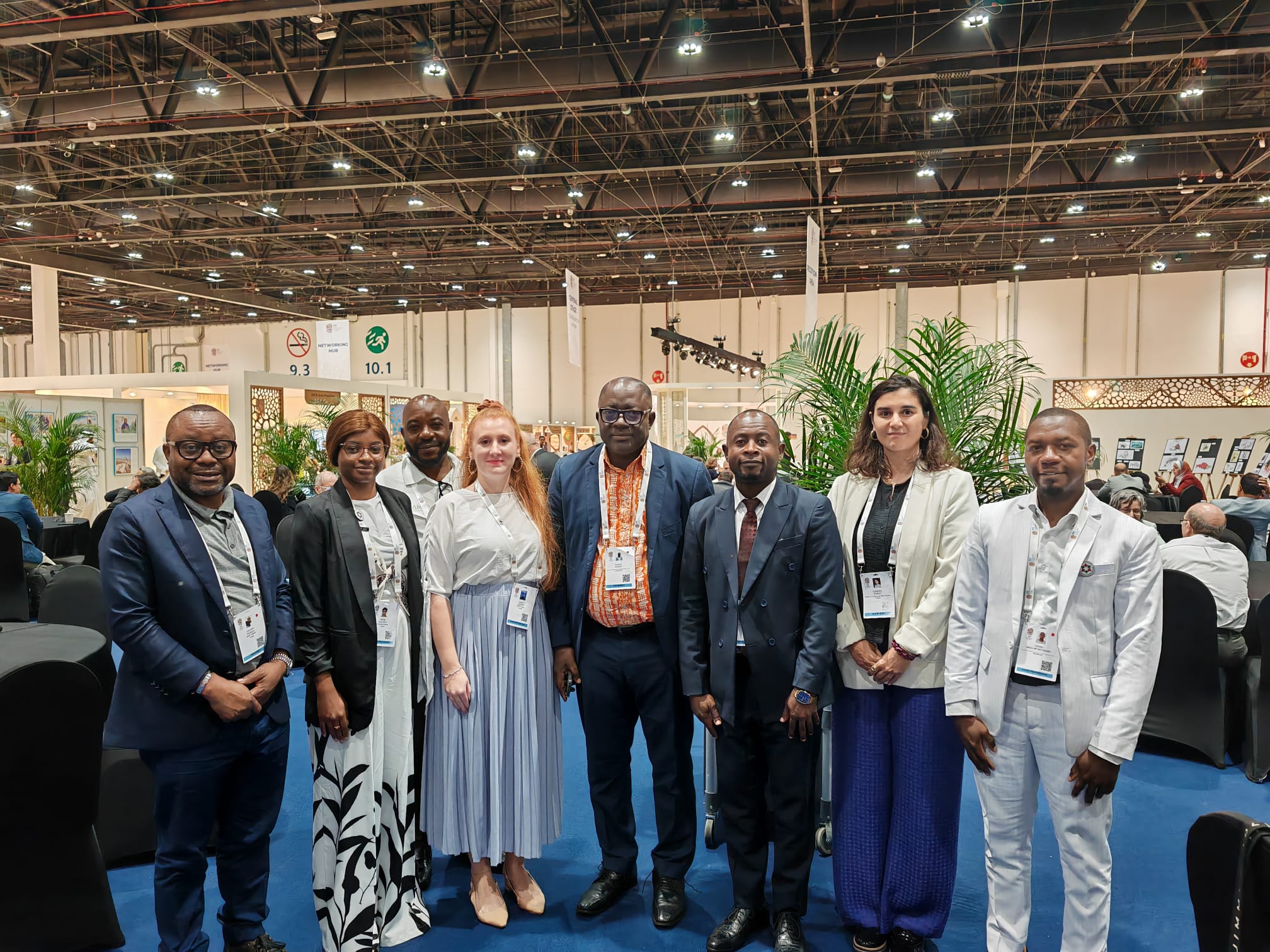
Rendez-vous with Nature crossed between Cameroon (MINEPDED and WWF-Cameroon) and Congo (ESI Congo and WWF-Congo).
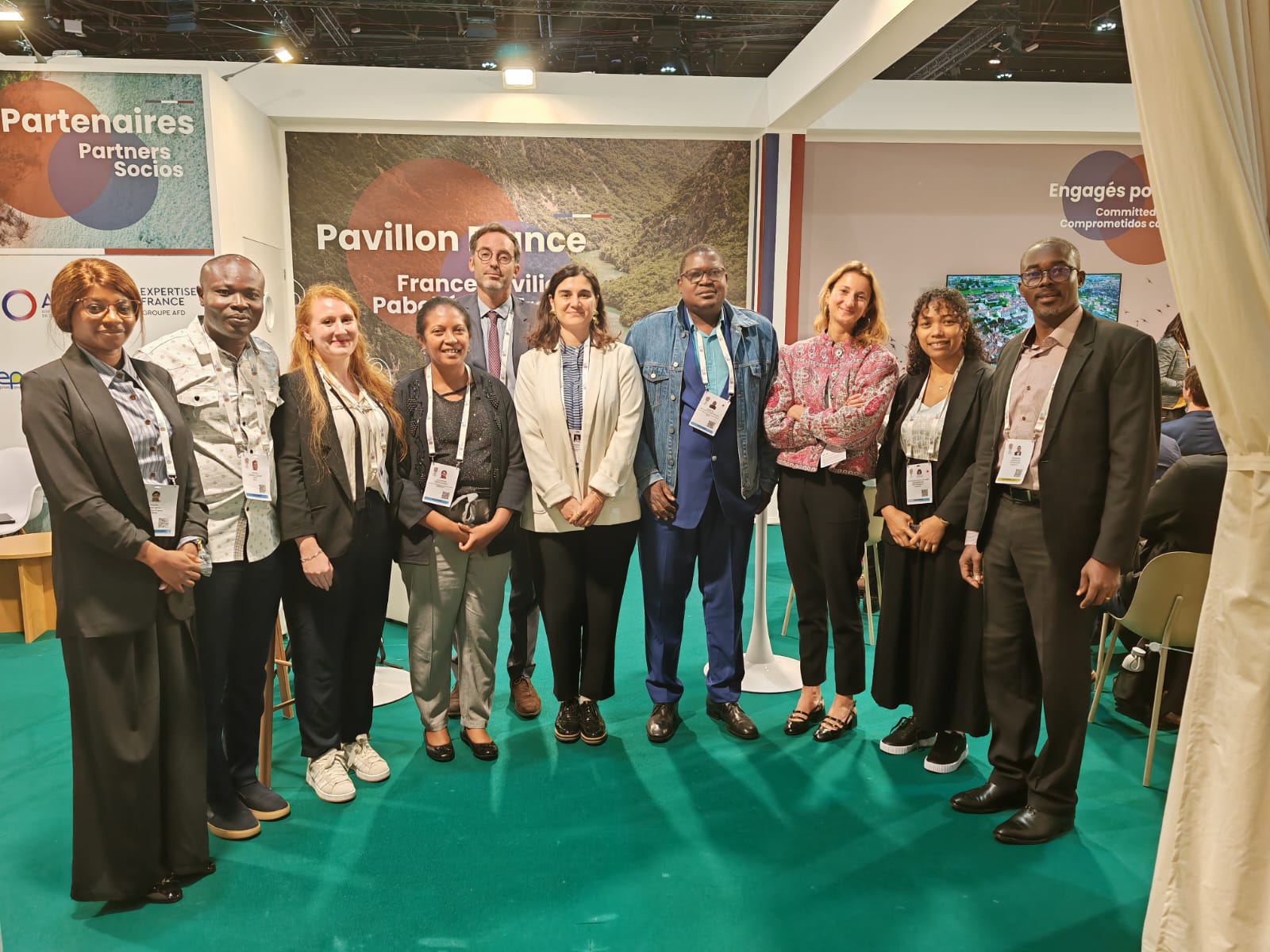
Rendez-vous with Nature crossed between Benin and Madagascar, with the presence of the National CBD Focal Points of both countries.
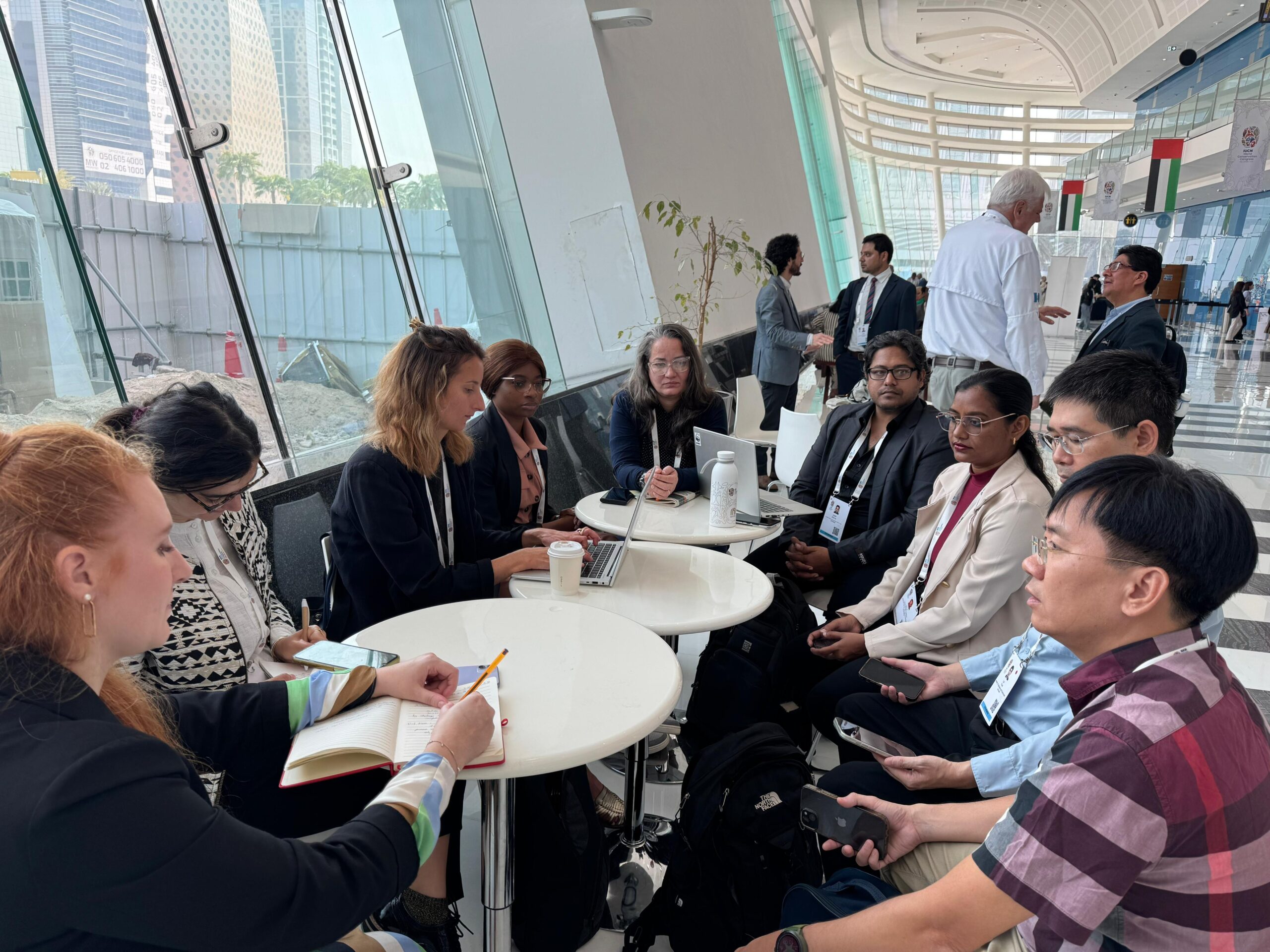
Rendez-vous with Nature croisé between representatives of Viet Nam's Ministry of Agriculture and Rural Development and the representative of Suriname's Ministry of Oil, Gas and the Environment.
Capacity building in practice
The Congress, by bringing together the 15 BIODEV2030 project managers, also represented an unmissable opportunity for capacity building, coordinated by Expertise France. Following the events, two training sessions were organized for project beneficiaries on key topics:
- Institutional advocacy strategies for the reform of sectoral public policy instruments, involving representatives from 8 countries: Benin, Cameroon, Congo, Fiji, Suriname, Tunisia, Uganda and Viet Nam.
- Existing biodiversity financing tools that can be mobilized for pilot projects, with a presentation by Baastel, which assists countries in identifying relevant financing in their context.
These two practical sessions enabled project managers to practice their skills in simulating the promotion of BIODEV2030 results to ministerial and donor stakeholders. On the one hand, the aim was to gain a better understanding of political advocacy strategies to promote the public policy reforms developed within the framework of the project, by mobilizing appropriate advocacy tools. On the other hand, the project managers had to work on an impactful discourse to mobilize financial players on BIODEV2030 pilot projects.
This work will continue until the end of Phase II, with personalized support provided by the project team and its partner Baastel, who is also working on consolidating the concept sheets for the pilot projects.
These sessions strengthened the project community, demonstrating the richness of the team and the value of experience sharing and participative learning, with many encouraging presentations for the project's future.
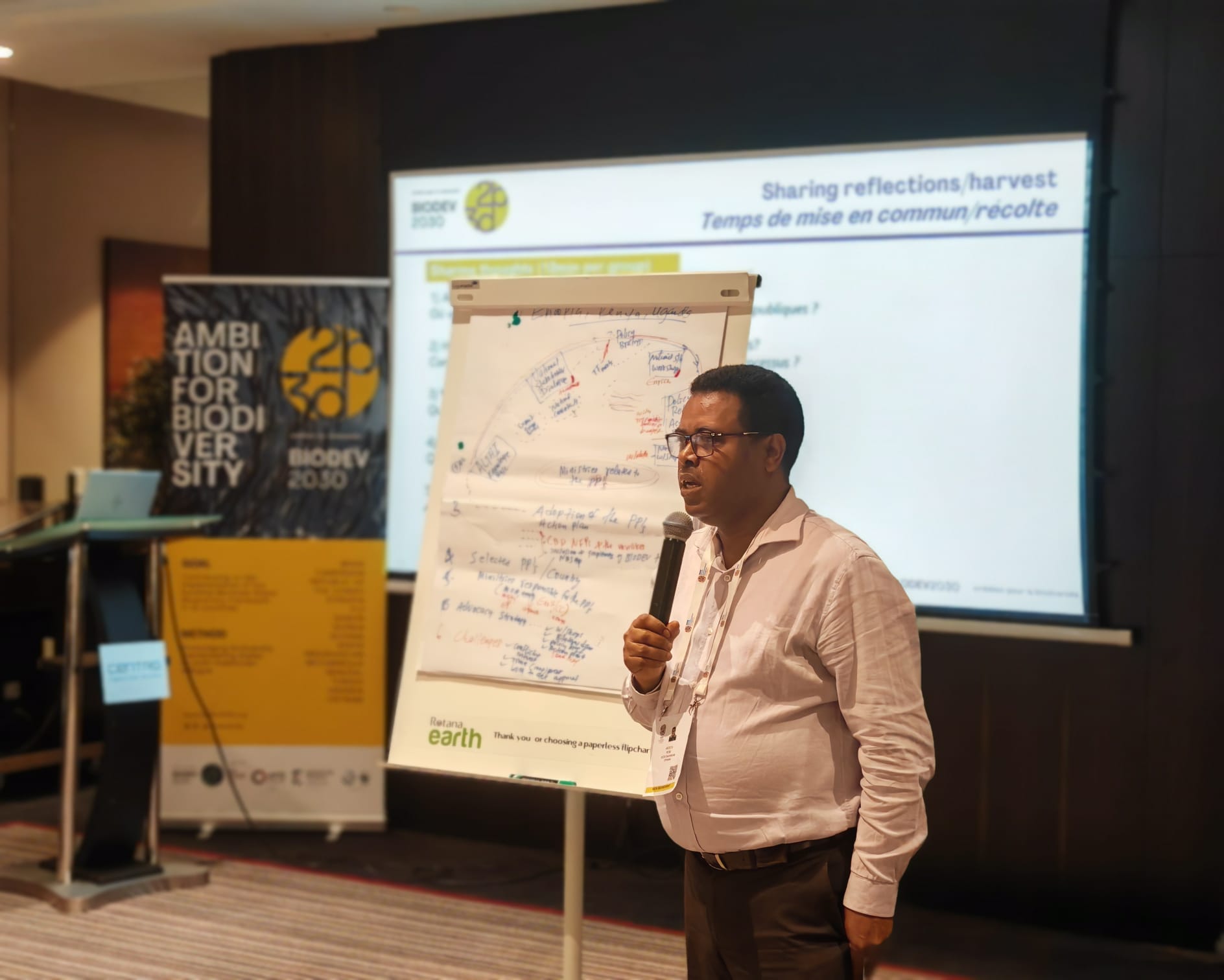
BIODEV2030 project manager at IUCN Ethiopia, Abdeta Robi, presents his work at the training session on 13/10/2025
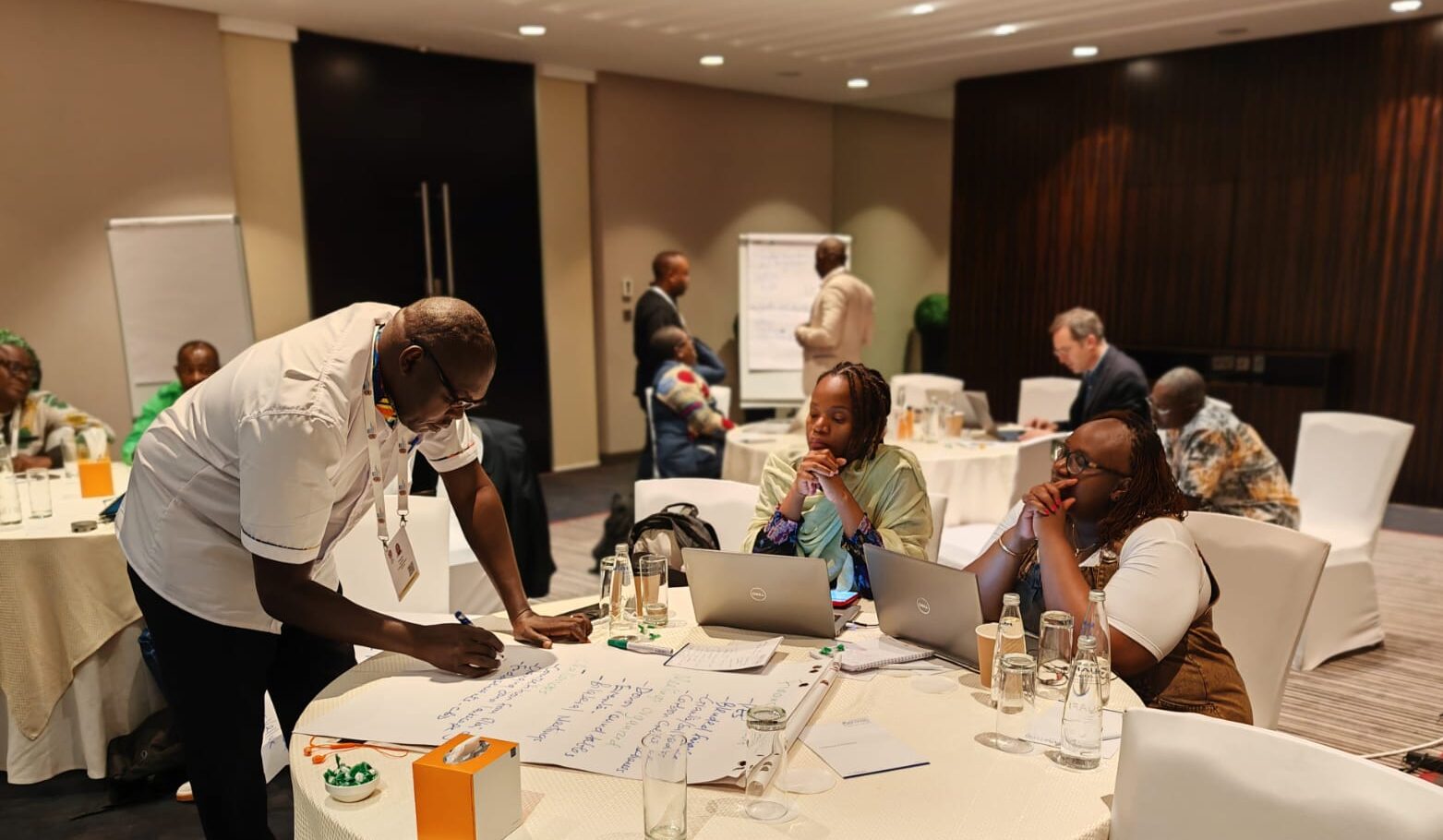
Group work during training session on 15/10/2025
OTHER ITEMS
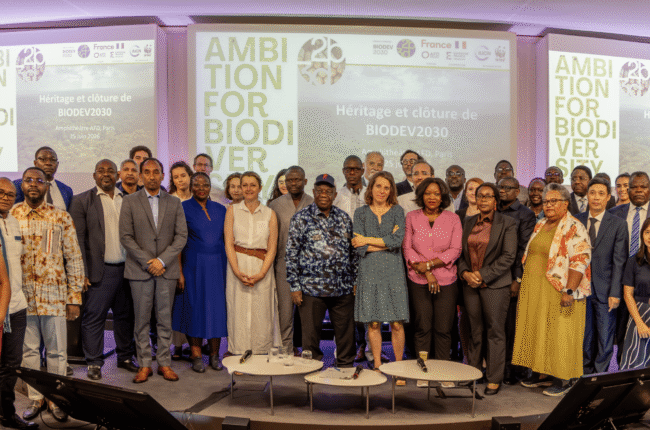
BIODEV2030 Comes to a Close: Six Years of Commitment to Placing Biodiversity at the Heart of Policies and Economic Sectors
On June 25, 2026, the BIODEV2030 partners met in Paris at the offices of the French Agency for […]
Read more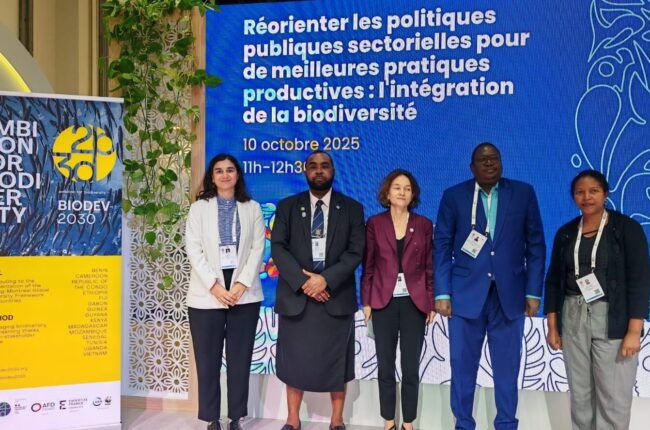
BIODEV2030 at the IUCN World Conservation Congress: an opportunity to promote project results
The World Conservation Congress, organized by the International Union for Conservation of Nature (IUCN), was held from 9 to [...].
Read more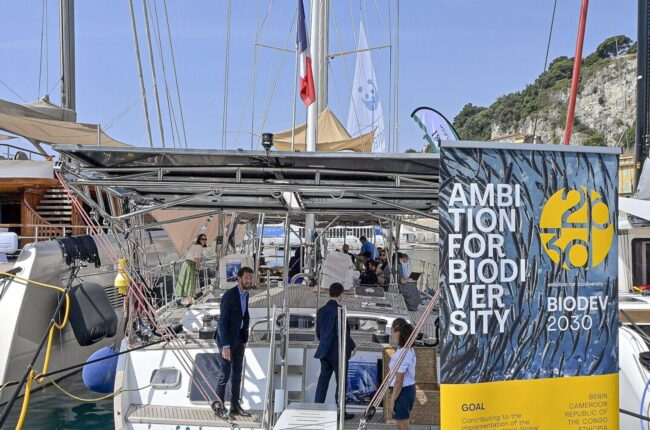
UNOC3: perspectives on better integration of marine biodiversity into public fisheries policies and production practices
France co-hosted the third United Nations Ocean Conference (UNOC-3) in Nice, France, from 9 to [...].
Read more
Identifying and discussing sectoral public policy instruments with a high impact on biodiversity
Encouraging changes in production practices at national level: BIODEV2030 supports countries in identifying the best policy instruments [...].
Read more