What BIODEV2030 wants to change and how
The BIODEV2030 coordination teams met at the end of 2021 to build together the project's theory of change. This theory of change explains how to achieve the implementation of concrete voluntary commitments by public and private sector actors, and illustrates how these commitments could contribute to the post-2020 global biodiversity framework.
BIODEV2030 proposes its own path to change, as part of a multi-stakeholder landscape that brings together multiple initiatives, projects and negotiations aimed at reducing pressures on biodiversity. The theory of change provides a visual presentation of BIODEV2030's intervention strategy and its links with immediate, medium- and long-term changes. It also provides a framework for identifying appropriate indicators to measure the project's results and progress towards its objectives.
A theory of change describes the change a project aims to achieve, and how and why this change is imagined to take place. It spells out all the intermediate and necessary steps, according to the people who develop it, to achieve a long-term vision, in this case the reduction of biodiversity erosion. The proposed theory of change is generic, and is not intended to reflect the particularities of national contexts.

The theory of change workshop was conducted as part of an assessment and learning phase following the achievement of the project's first milestones, and as part of a forward-looking, strategic vision of the stages to come.
In this sense, the theory of change is a genuinely enriching tool for the project, as it enables us to:
1) jointly clarify the right approach for the project,
2) explore the links between achievements and effects, and even longer-term impacts,
3) identify the changes we would like to measure at the end of the project.
OTHER ITEMS
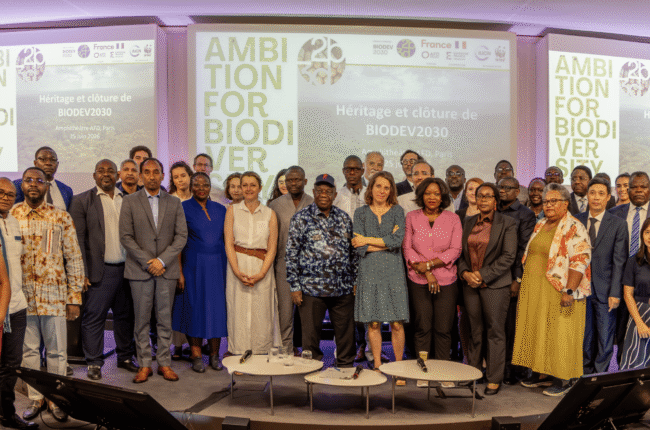
BIODEV2030 Comes to a Close: Six Years of Commitment to Placing Biodiversity at the Heart of Policies and Economic Sectors
On June 25, 2026, the BIODEV2030 partners met in Paris at the offices of the French Agency for […]
Read more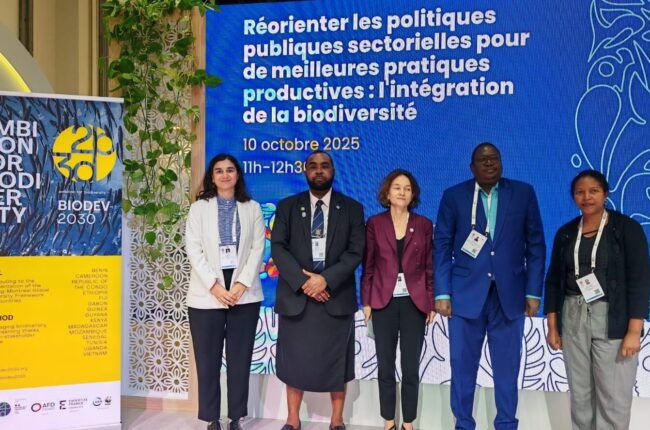
BIODEV2030 at the IUCN World Conservation Congress: an opportunity to promote project results
The World Conservation Congress, organized by the International Union for Conservation of Nature (IUCN), was held from 9 to [...].
Read more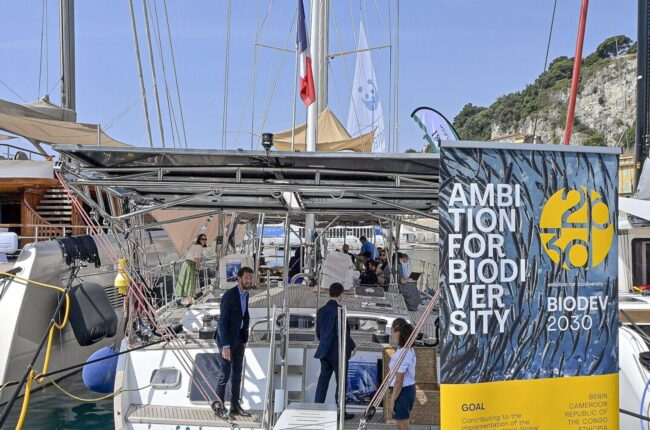
UNOC3: perspectives on better integration of marine biodiversity into public fisheries policies and production practices
France co-hosted the third United Nations Ocean Conference (UNOC-3) in Nice, France, from 9 to [...].
Read more
Identifying and discussing sectoral public policy instruments with a high impact on biodiversity
Encouraging changes in production practices at national level: BIODEV2030 supports countries in identifying the best policy instruments [...].
Read more